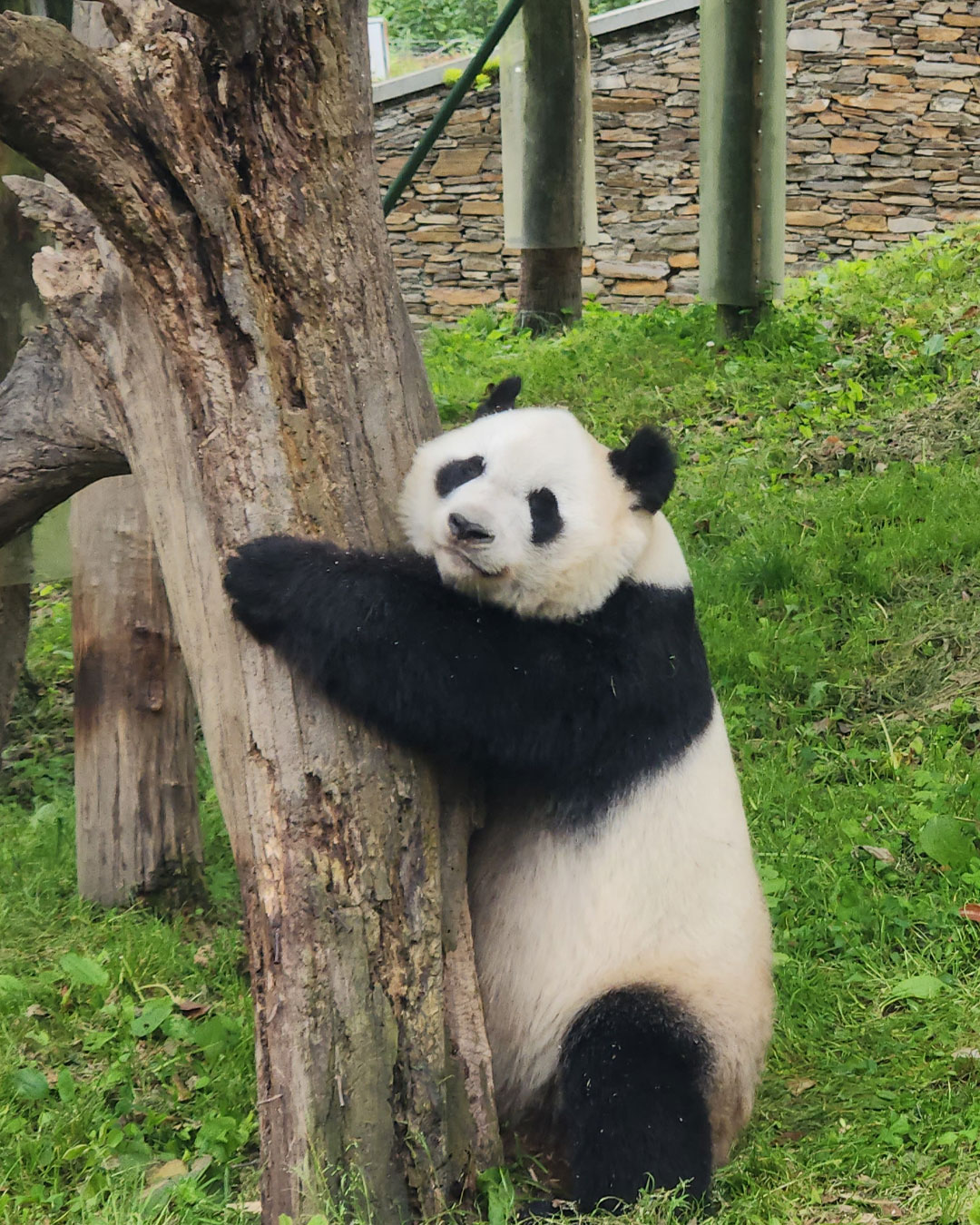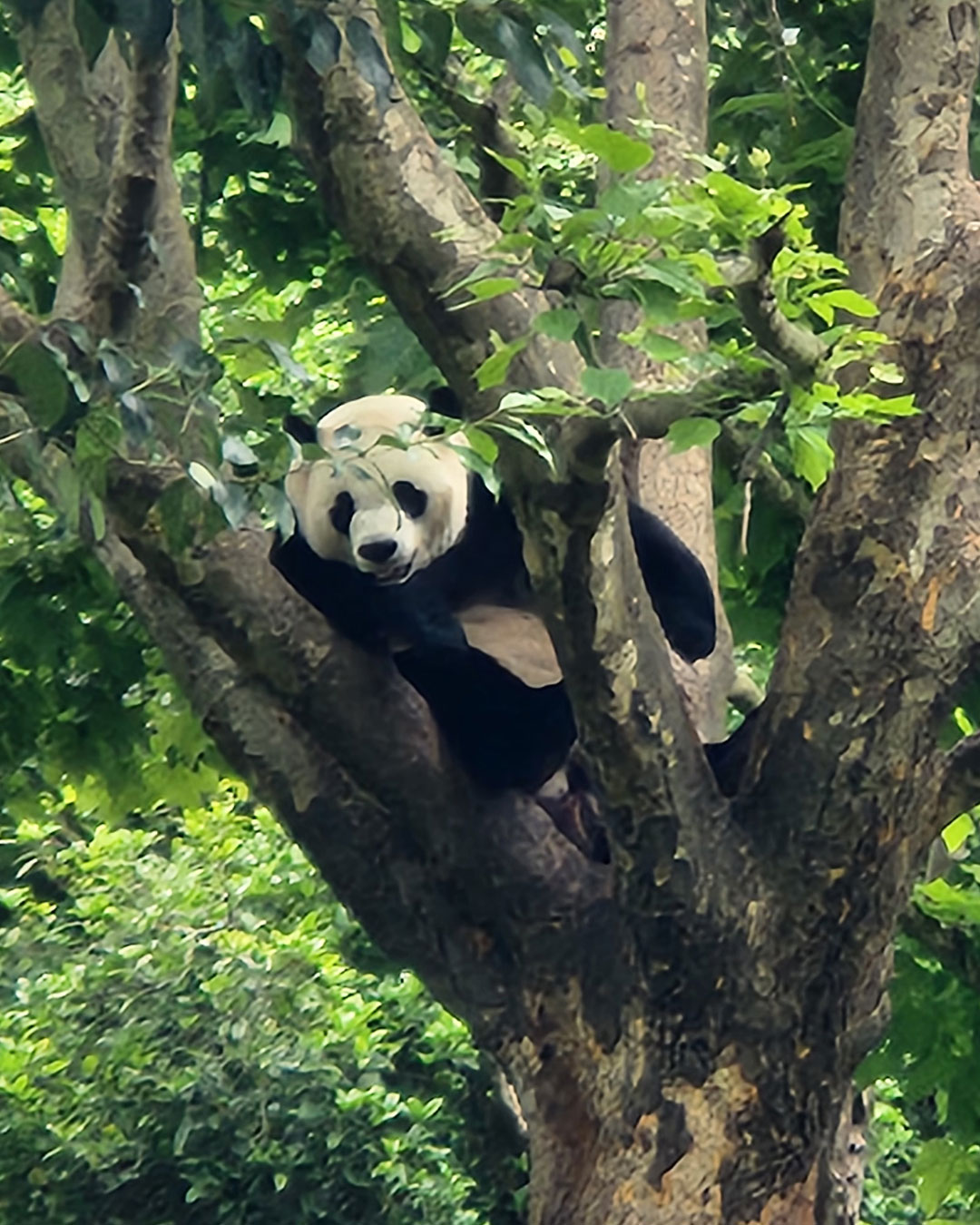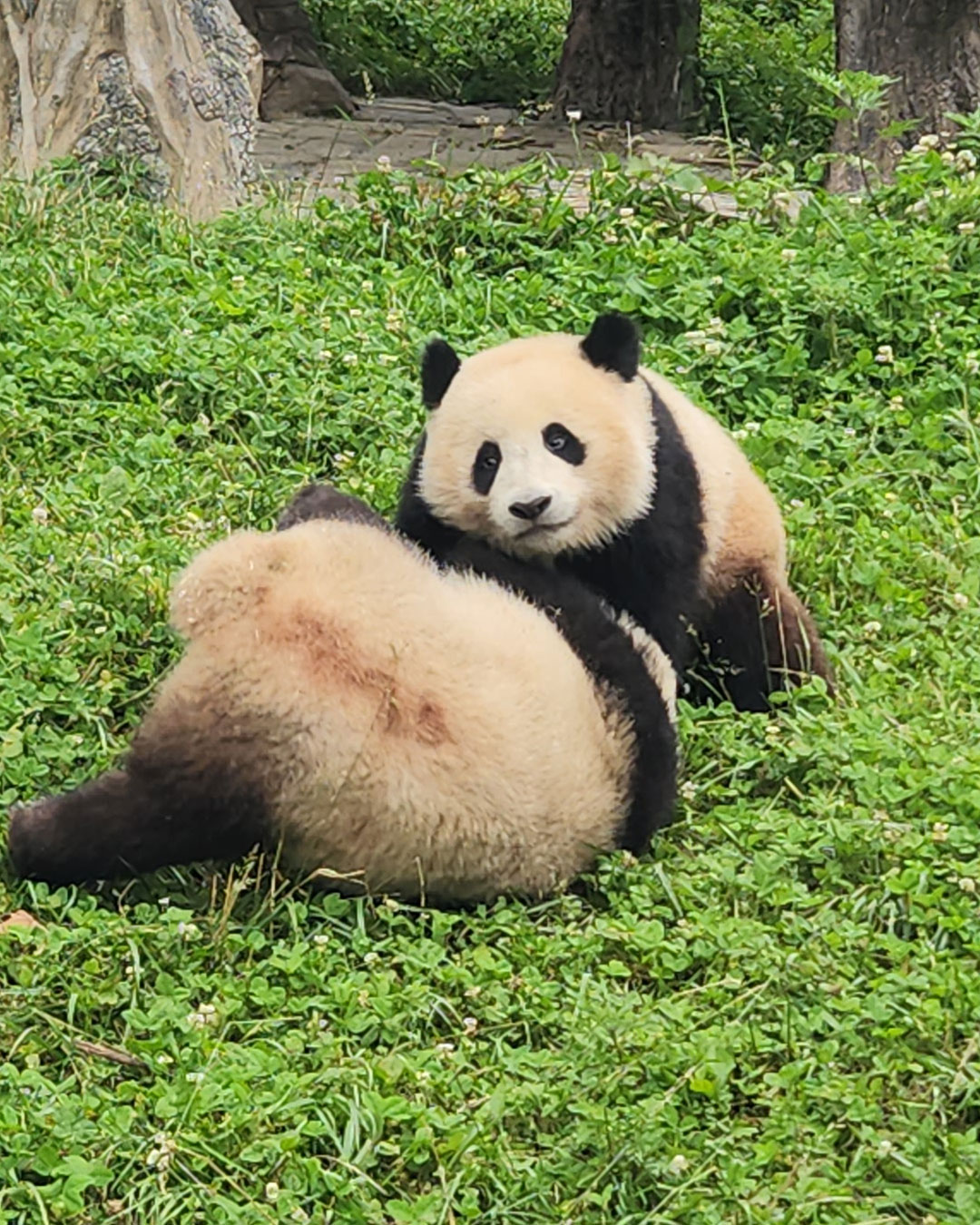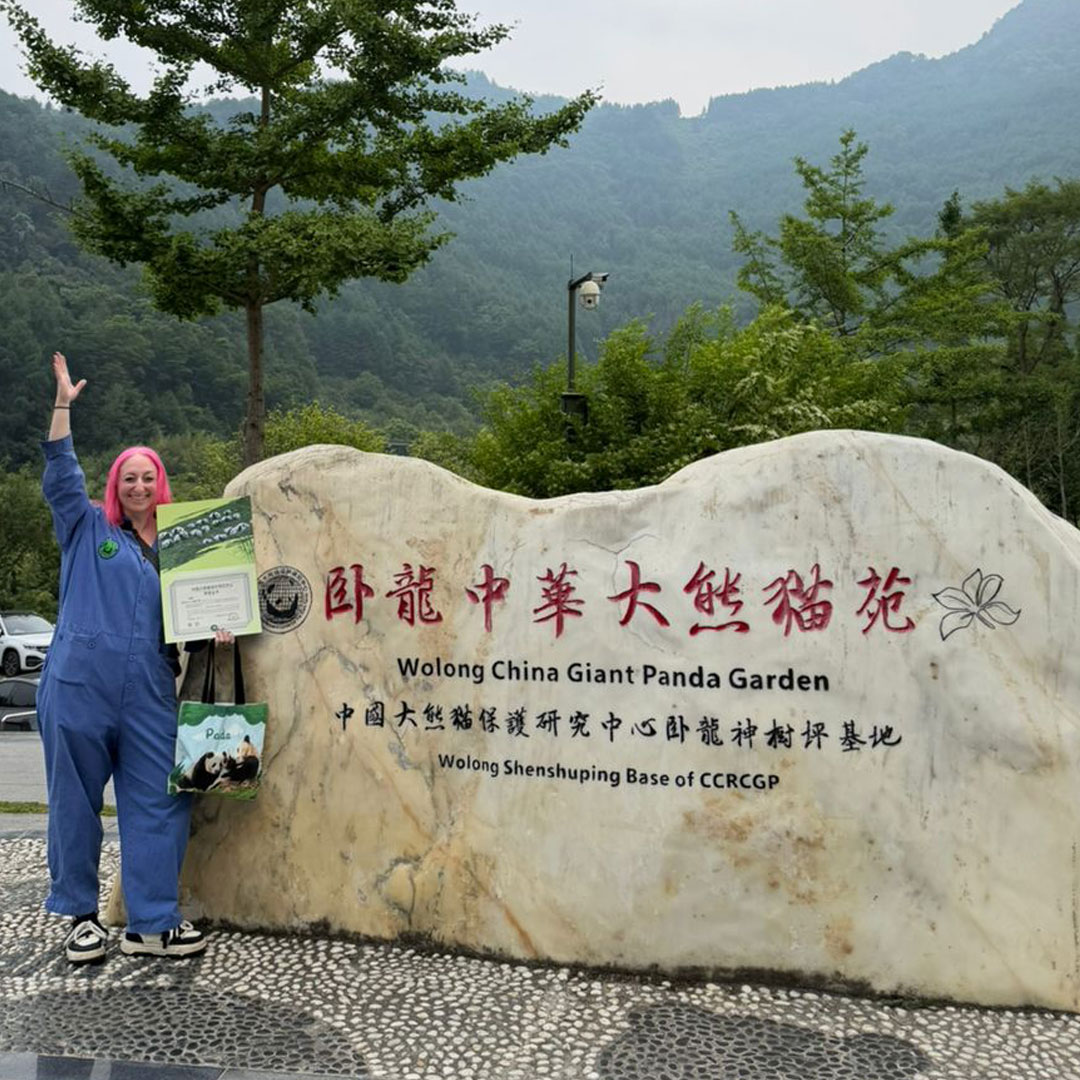
On Monday, I was up bright and early and met my guide Yang Guang (Andres) at 6:30am to make our way to the Wolong Panda Garden. I had done some research into the panda conservation efforts and was looking at ways to donate or to visit ethically. I’m not a fan of zoos, I don’t go to them. However, it’s pretty impossible for me to come to China and just see a panda. Sure I just saw a bear in Canada, and you can easily see kangaroos in Australia (you’ll probs drive past a few dead ones on the side of the road). The giant panda just isn’t the same. With a population of about 3000, and 800 of those living within the multiple conservation centres, I wanted to learn more about the efforts that have been made resulting in the endangered status shifting to vulnerable. For almost 30 years pandas were endangered, and it is through the efforts of these centres in China that have helped to increase their numbers.
What made me want to look at the volunteer program was to find out more as well about the rehabilitation and release projects that have been going on. So far there is about an 80% survival rate on the pandas who have gone through their wild panda training to be released into the reserves where they can live once again. Some of their homes that had been destroyed and taken over by famers has been returned to them.
Their isn’t a way to just donate to the conservation efforts as such, but through their pay to volunteer program, you’re essentially making a donation to support the cause, while also getting some hands on panda husbandry skills. Massive shout out to my Grandma, for donating towards my volunteer experience. As the cost to cover my guide, a driver, and pay for the volunteering definitely made this one of the most expensive experiences I have had in China. It was worth it.
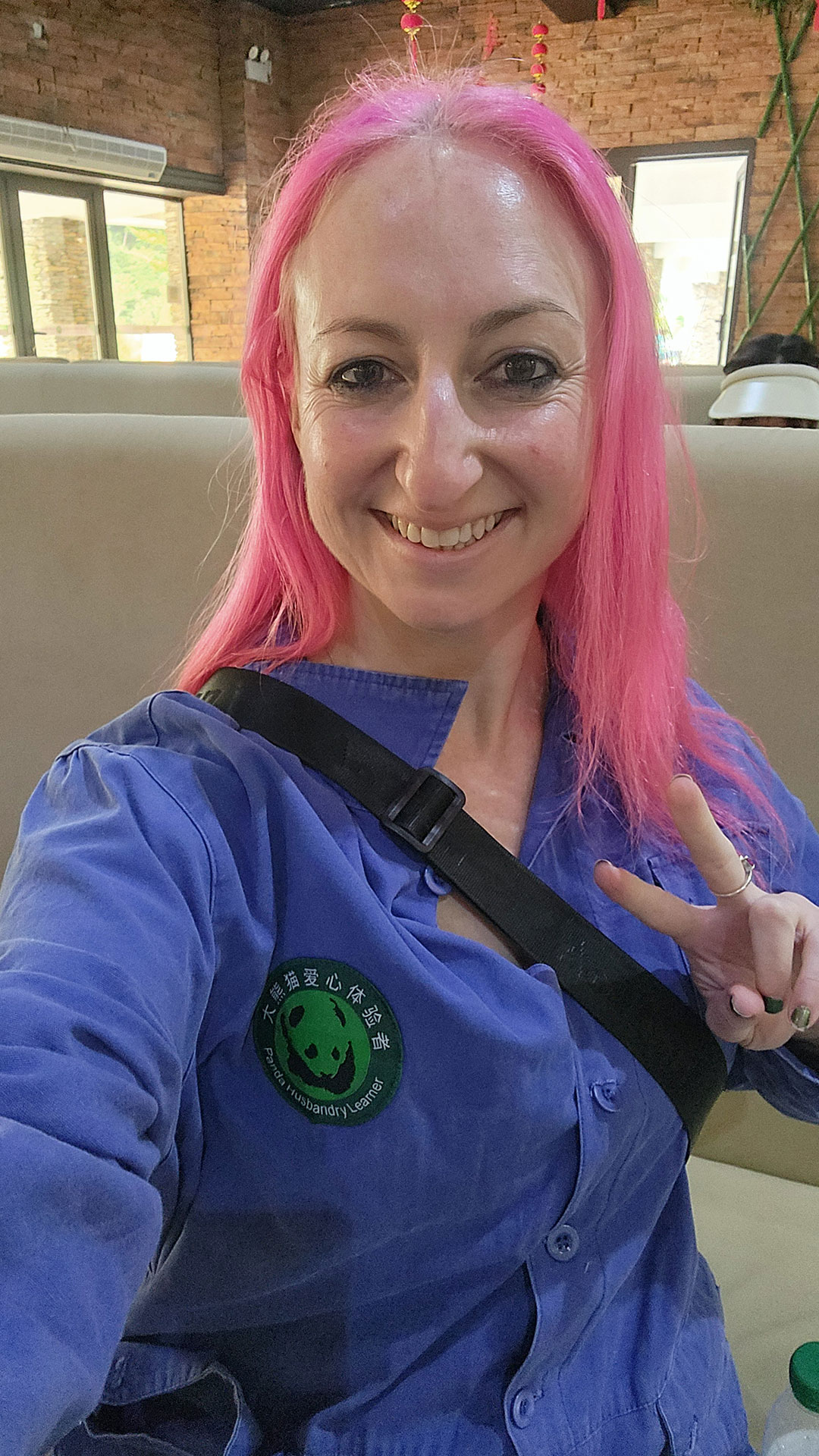
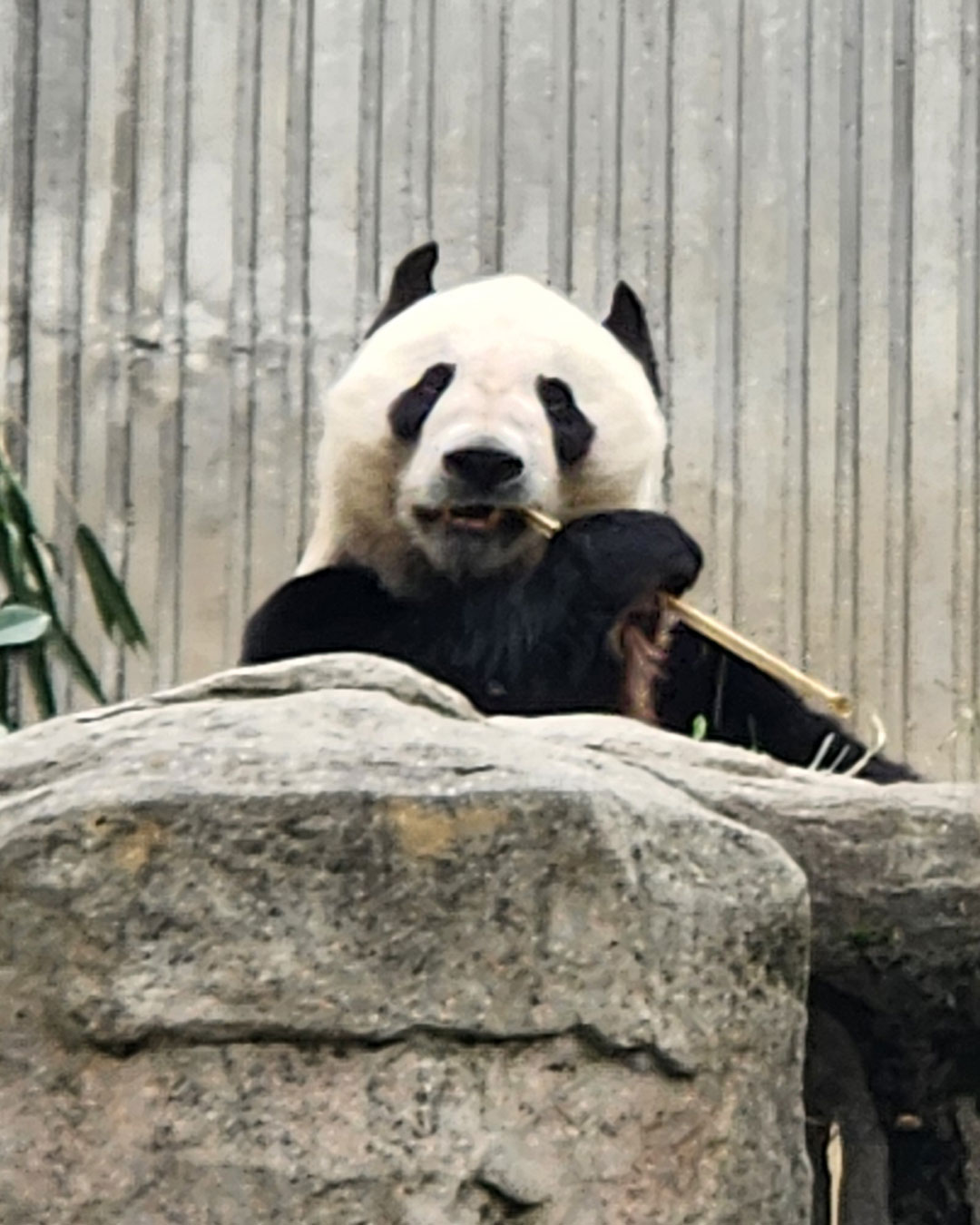
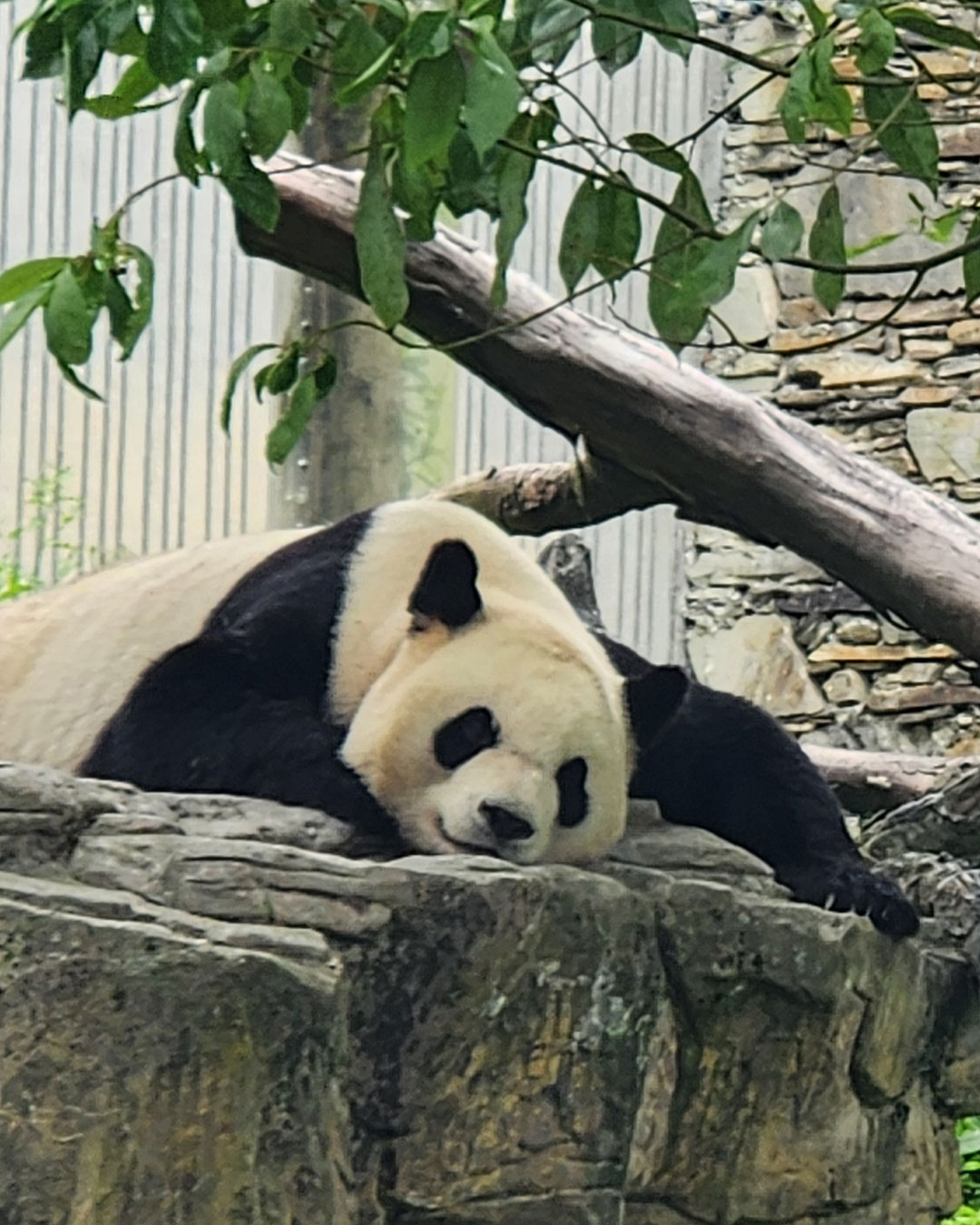
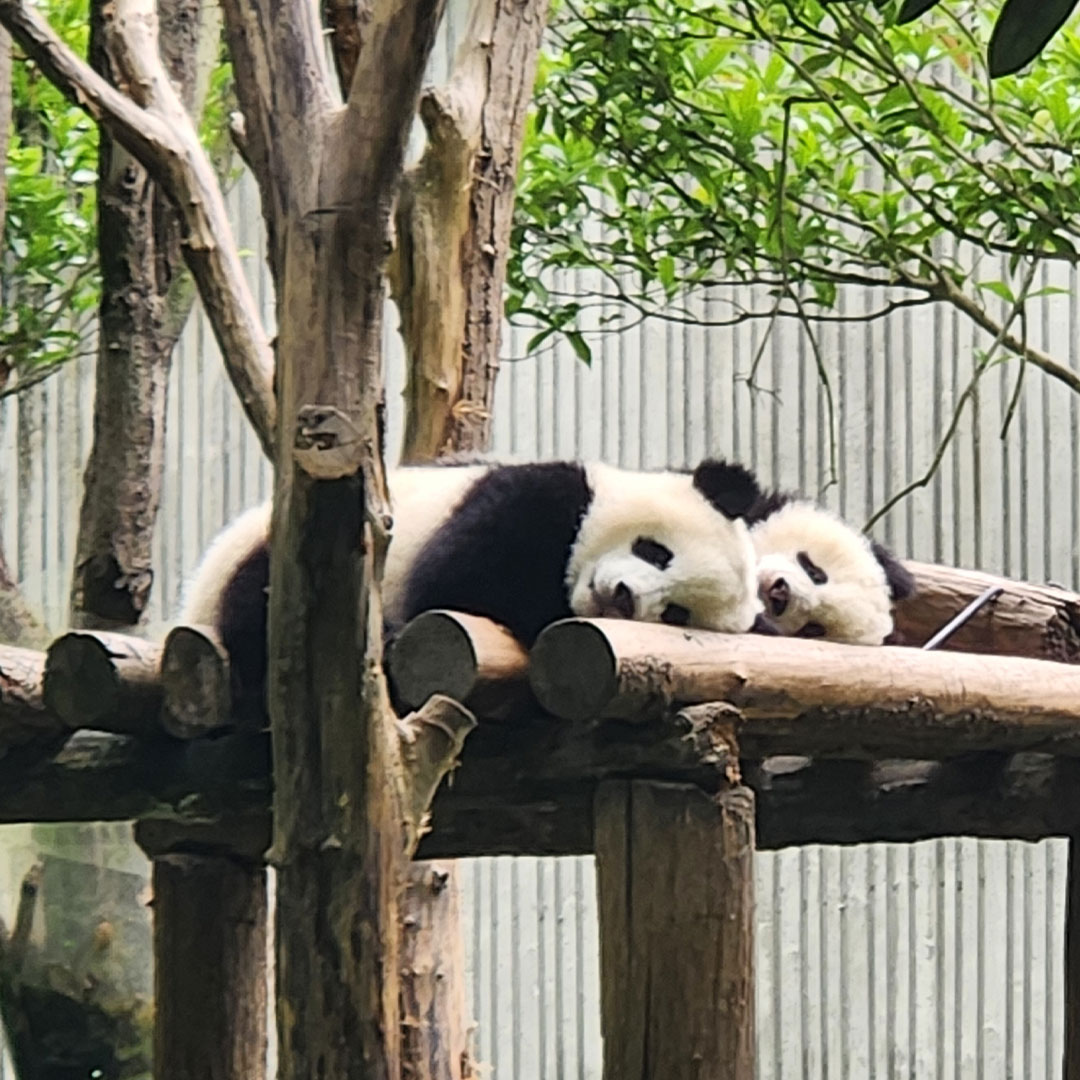
Once we arrived at the Wolong Panda Garden, we checked in and got our overalls to wear for the day. We had about an hour before the program started to go through the park to see the pandas, most were either asleep or waiting patiently (and impatiently) for their breakfast. Did you know that pandas pretty much sleep for 2 hours, eat for 2 hours, rinse and repeat.
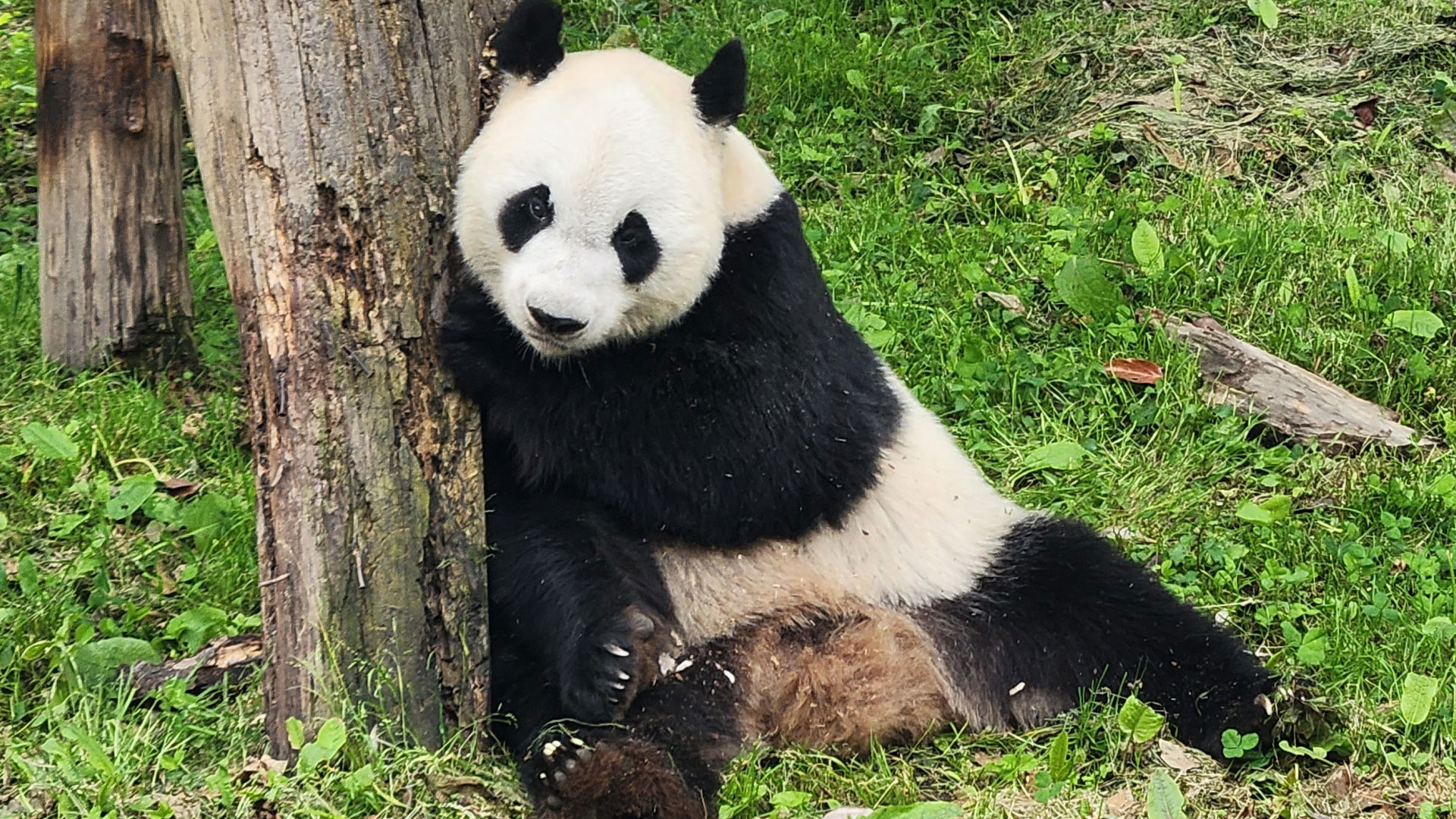
Soon it was time to go meet up with the program group and head to the back of the enclosure areas. We then got to go into the back of the panda enclosure (where the sleep, eat, al that). The keeper was there feeding the panda and getting him to go through some training exercises, like putting his arm out onto the silver resting plate while he held the bar with this his other paw. This is how they train them for when they need to give blood samples and that sort of thing.
I never thought that I would be that close to a panda, I could see its nails and just how sharp they were. I was probably about a foot away. It was pretty cool being able to see this 19 year old male up close. Pandas age at about 2.5-3 years per human year, so he is about 50 years old.
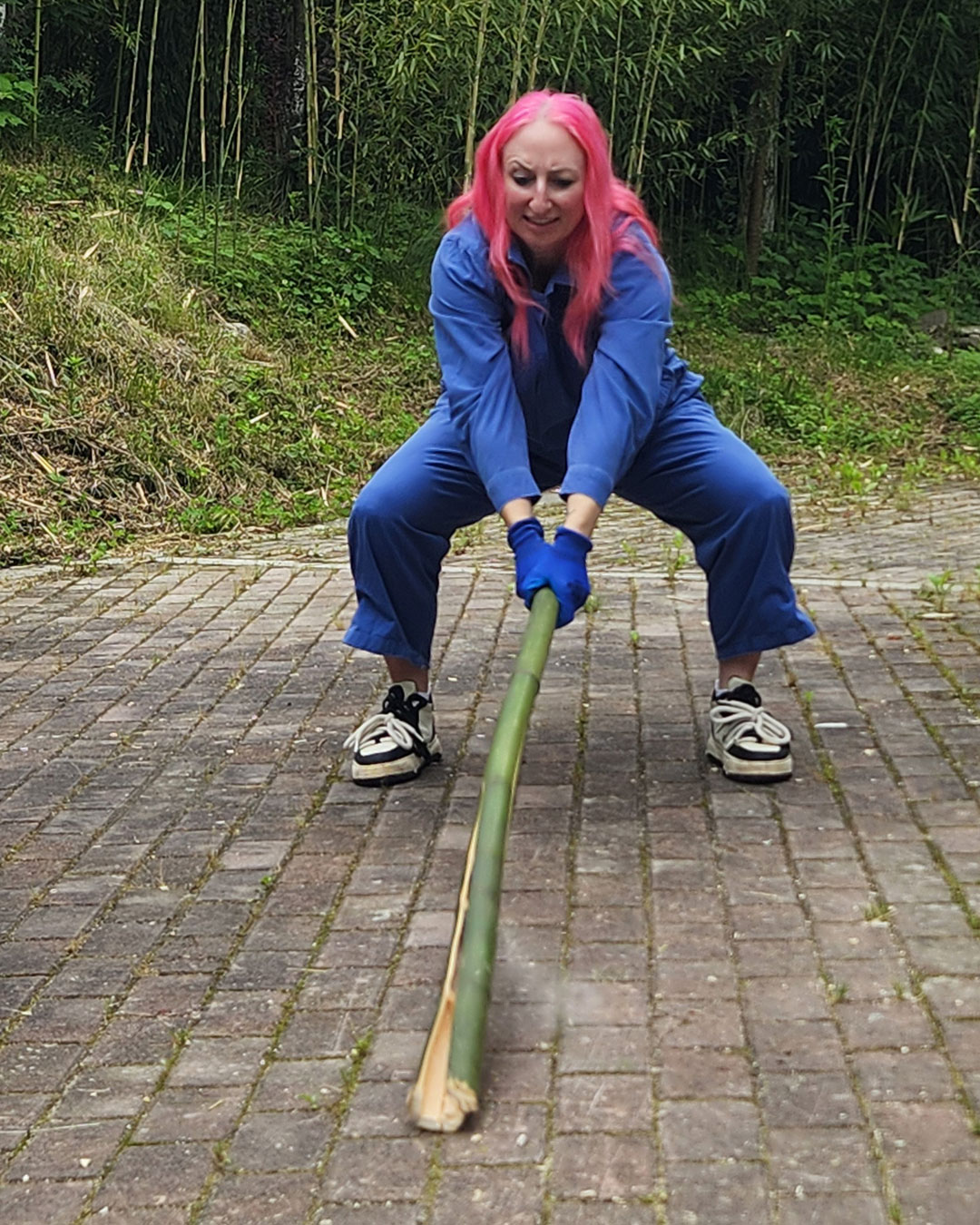
Afterwards we got to break up some bamboo for the pandas. Obviously in the wild pandas wouldn’t have someone coming in to break their bamboo for them, but this is done for them as the bamboo they are given has grown more than it would in the wild when they would grab it. By smashing it up we are helping them not wear there teeth down trying to break through as they only want the good stuff inside. They also don’t eat it when it has dried out so it’s important that we don’t smash too much. The pandas here are given about 40kgs of bamboo each day, and they eat about 20kg of it.
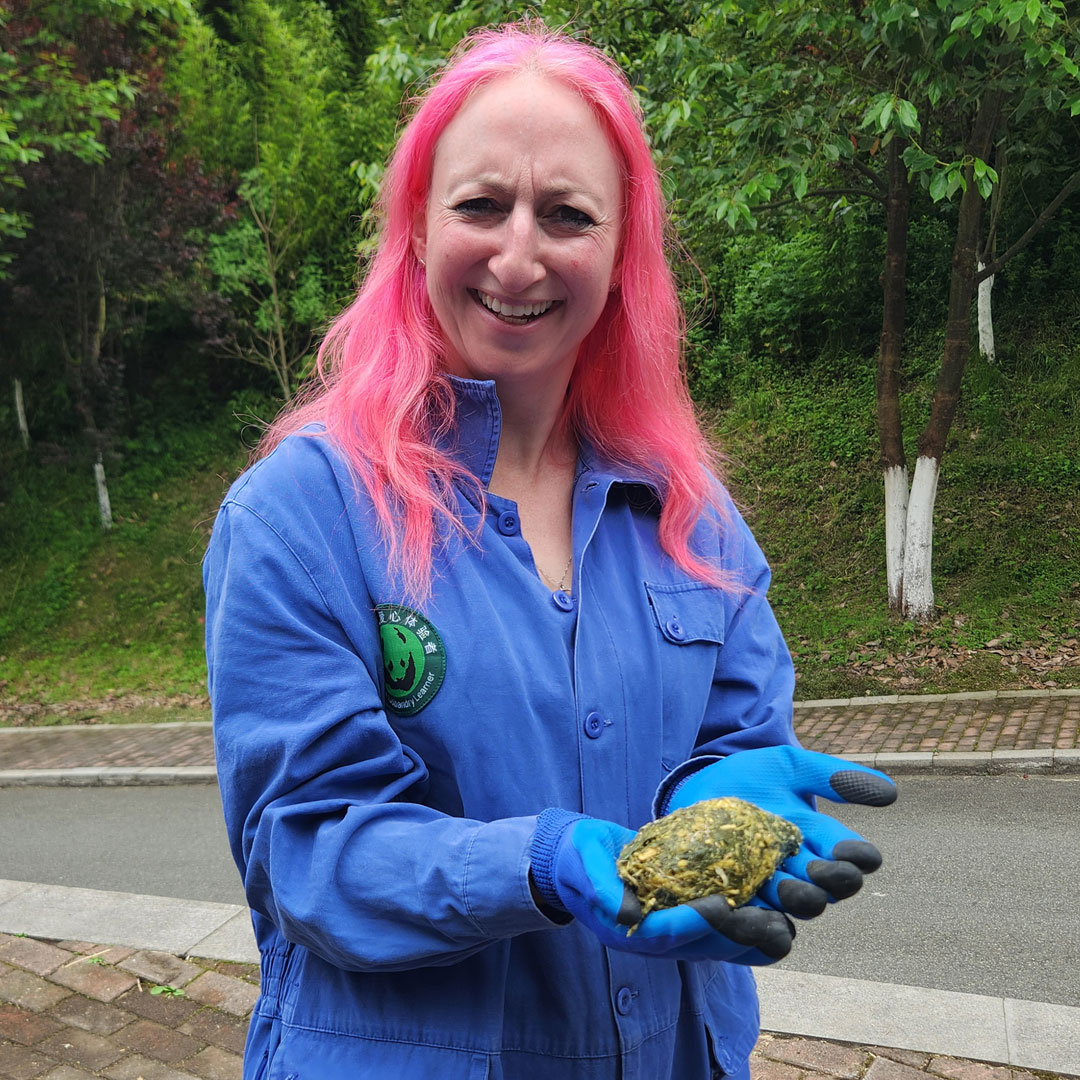
After bamboo smashing we found one of the bins from that morning’s enclosure cleaning that hadn’t been emptied yet. Jackpot! We got to feel and hold some panda poo. I really didn’t think I would be doing that, but here we go. The researches actually use the poo a lot in improving their understanding about the giant panda. They are able to take DNA samples from the poo, and use it to track wild panda numbers. Pandas tend to live in areas of 1 – 2km radius and the poo can be tracked and used to help identify the pandas in an area and how many there are.
After playing with poo we got some free time to go look at the pandas again, and see who was up and who was sleeping again. The pandas get 2 days off a week from being on display and a spectacle for the tourists. There are a few famous pandas in this garden and two of them in particular have quite the camera crews surrounding them. I would definitely want some time off from that. Mind you, the pandas just sleep and really don’t seem to be all that phased. However, they only have a sightline of about 3 metres. It’s their hearing and sense of smell that they use more to track their surroundings.
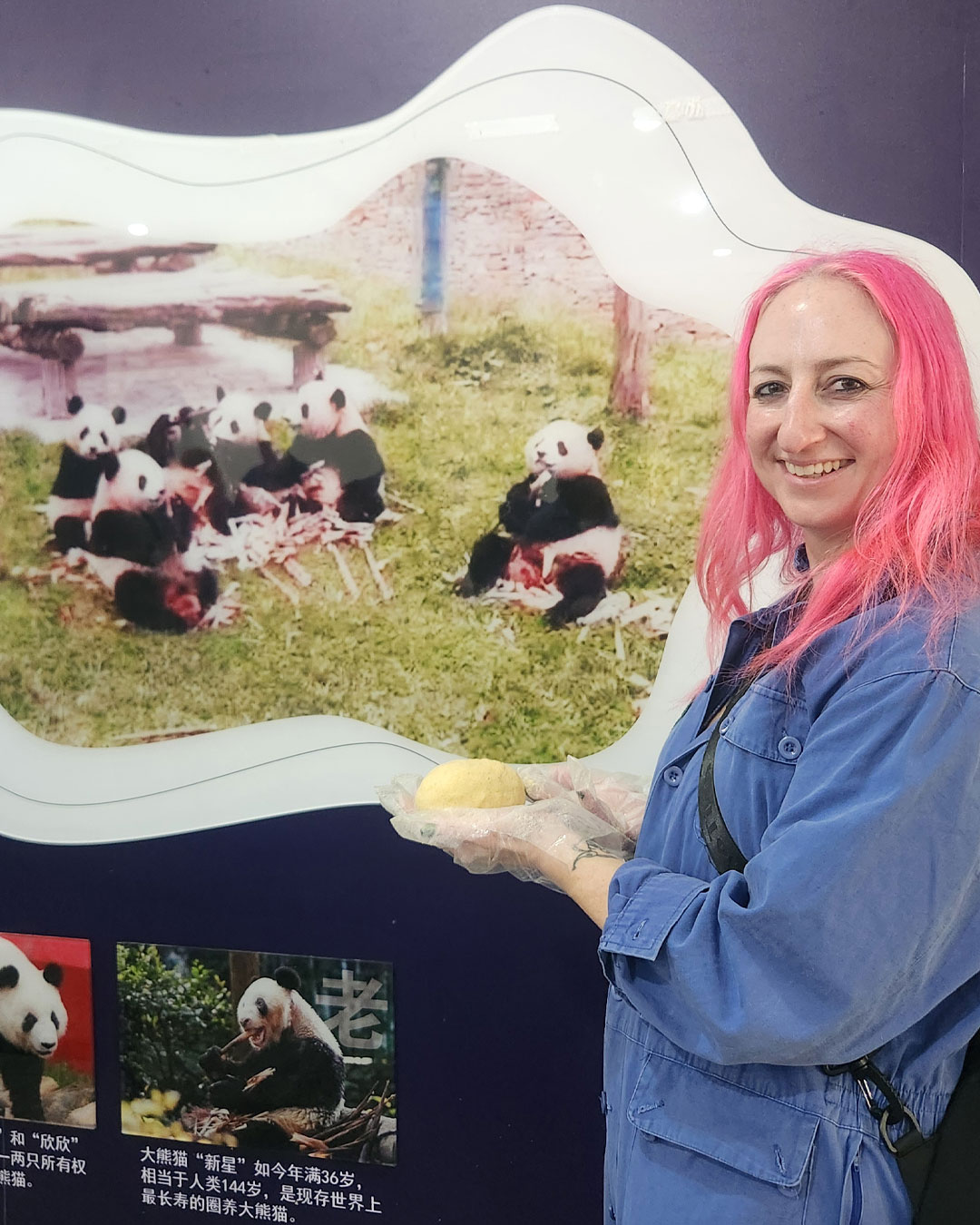
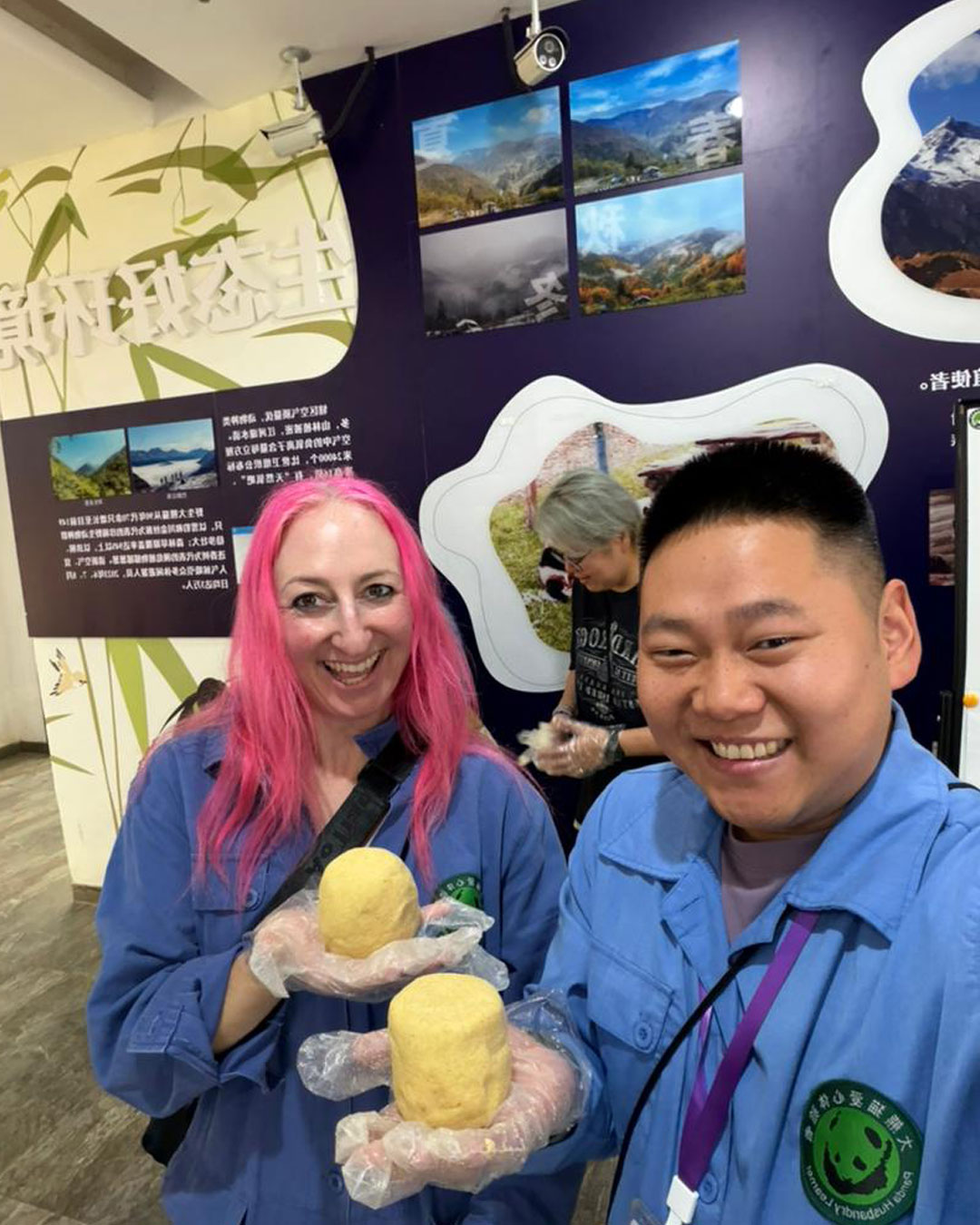
It was then time for lunch before the afternoon’s activities of preparing more food for the pandas. Wild pandas aren’t vegetarians, they will scavenge and eat dead bodies they find around and likely also will kill small animals they come across. However in captivity they are fed a combination of panda cakes and bamboo. The panda cakes are a combination of flours and other bits designed to help balance out their nutrient needs. They are also given fresh veggies and fruit like carrots or apples. We got to make some panda cakes, mixing the ingredients together and then shaping them. The panda cakes then require at least 3 hours of steam boiling to finish them off before they can be fed to the pandas.
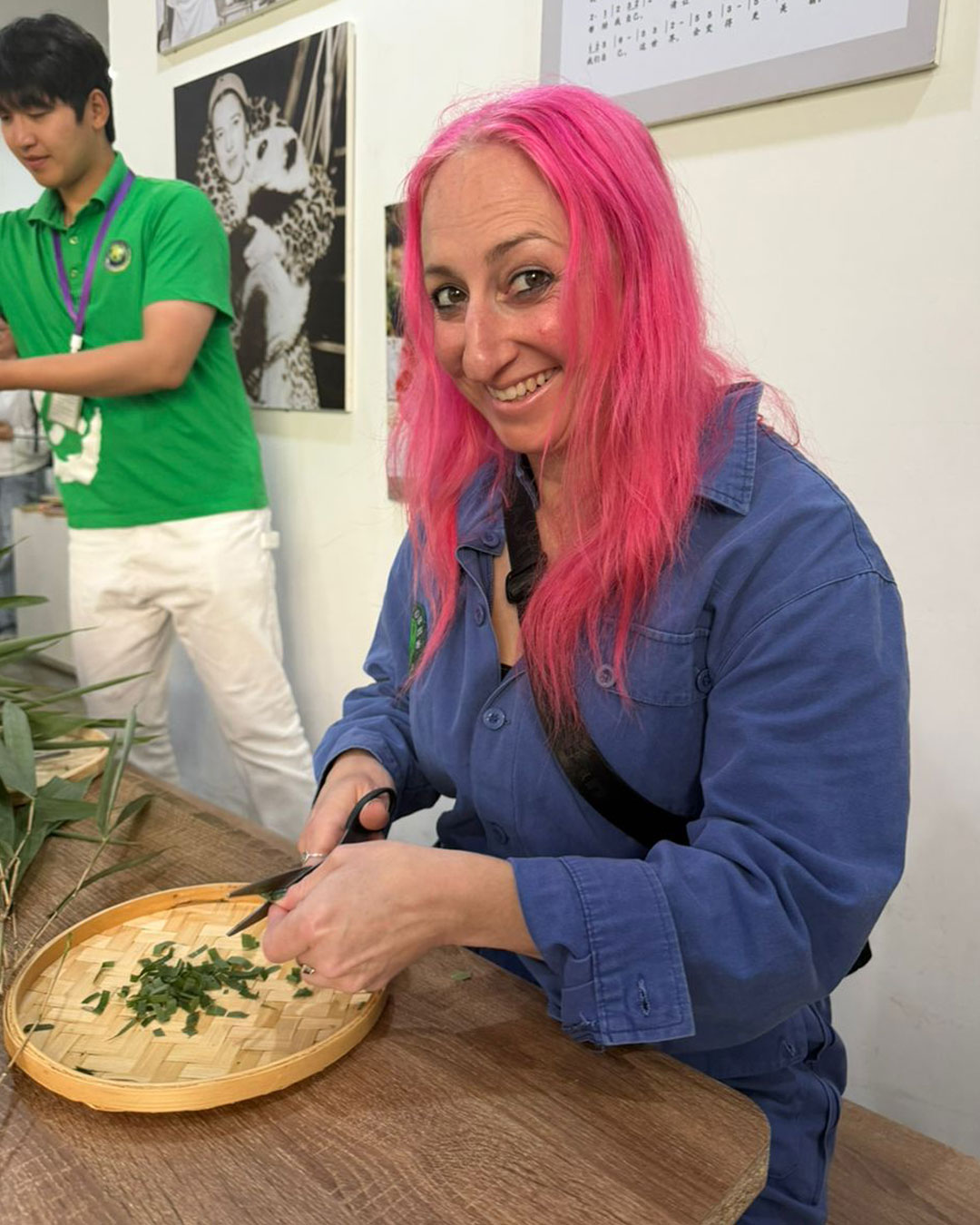
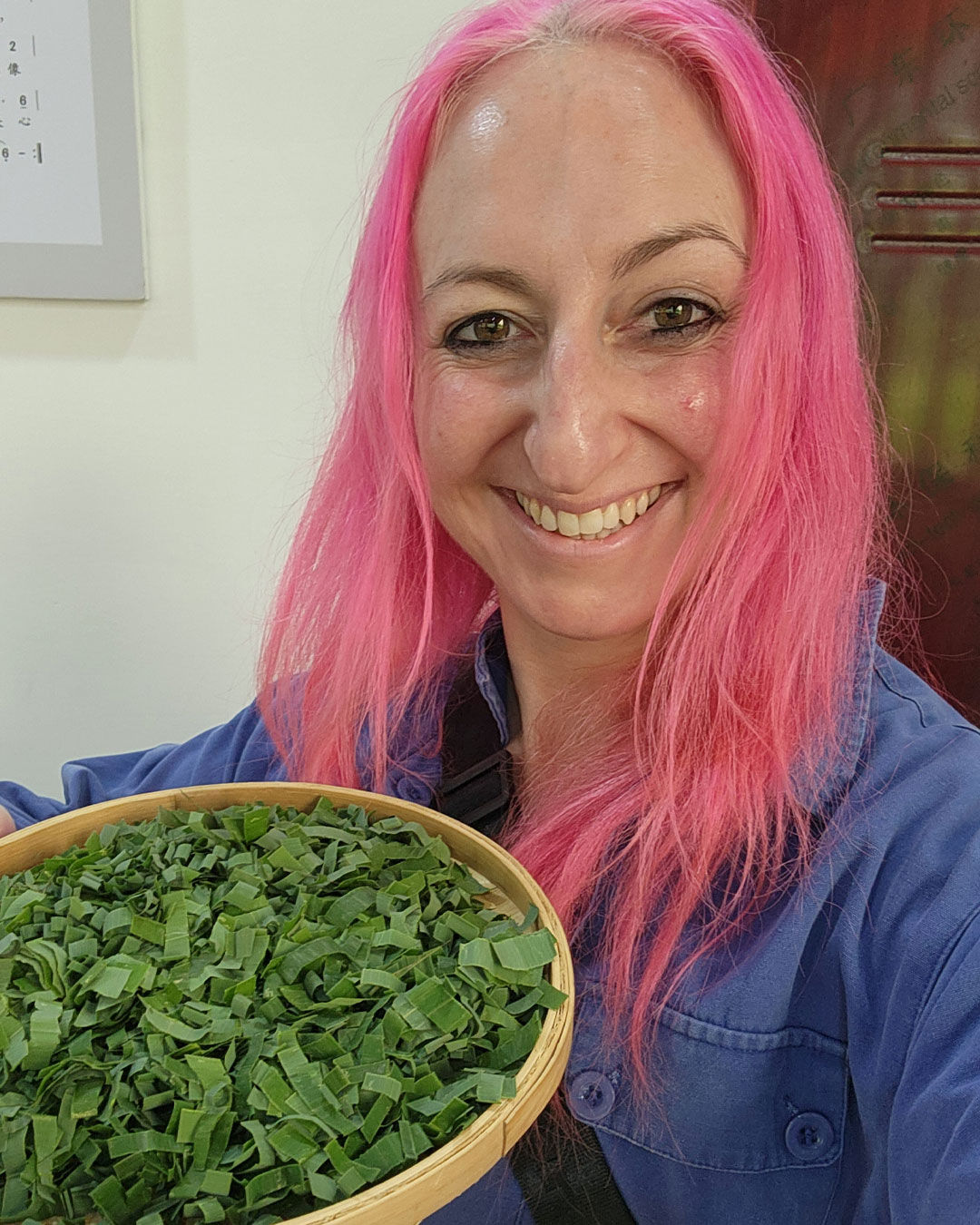
We then headed to another area to prep bamboo leaves for the elder pandas. As I kind of said earlier, pandas teeth aren’t that strong and over the course of their life their teeth wear down a lot. This seems to be one of the factors that contributes to their death. As they can’t eat through the bamboo and use their teeth to tear through things anymore it becomes challenging to consume. By cutting up the bamboo leaves into tiny pieces this means that the elder pandas can just swallow their food a bit more and not rely on the use of their teeth to have to break things down to manageable pieces.
I was loving just cutting up the leaves. At one point a spider who had obviously made a home for itself amongst these leaves ended up on my hand. As someone people around me did the usual “oh no spider” thing, I just talked to it and picked it up and went to carry it outside. When I cam back in and sat down, I said to the two people opposite from me who were from Singapore – “That was the most Aussie thing I could of done right then, yeah?” They all agreed. We had literally just finished saying where we were from when this happened. Impeccable timing little spider.
Once we have cut up all the bamboo leaves it was time to go collect our certificates and also little gifts. They gifted us a panda tote bag, a cute blind box figure of one of the pandas and a packet of postcards. The panda I got in my blind box was Qing Qing. He is currently in a non-public wellness zone of the China Conservation and Research Centre for the Giant Panda (CCRCGP) system as he is the first recorded case of a panda experiencing venous cell hemangioma. He was diagnosed in 2023 when his left ankle kept bleeding.
We took some photos and things and then handed back our uniforms before making the trip back to the hotel. It was such an amazing day, if you decide that you want to visit and volunteer with the pandas, then hit up Yang Guang and organise a tour with him. He was such a great guide and a pleasure to spend the day with.